
Minimalism Beyond Just Stuff
It's not about owning less — it's about keeping what matters. We explore how minimalism affects your time, mental health, and where your money actually goes each month.
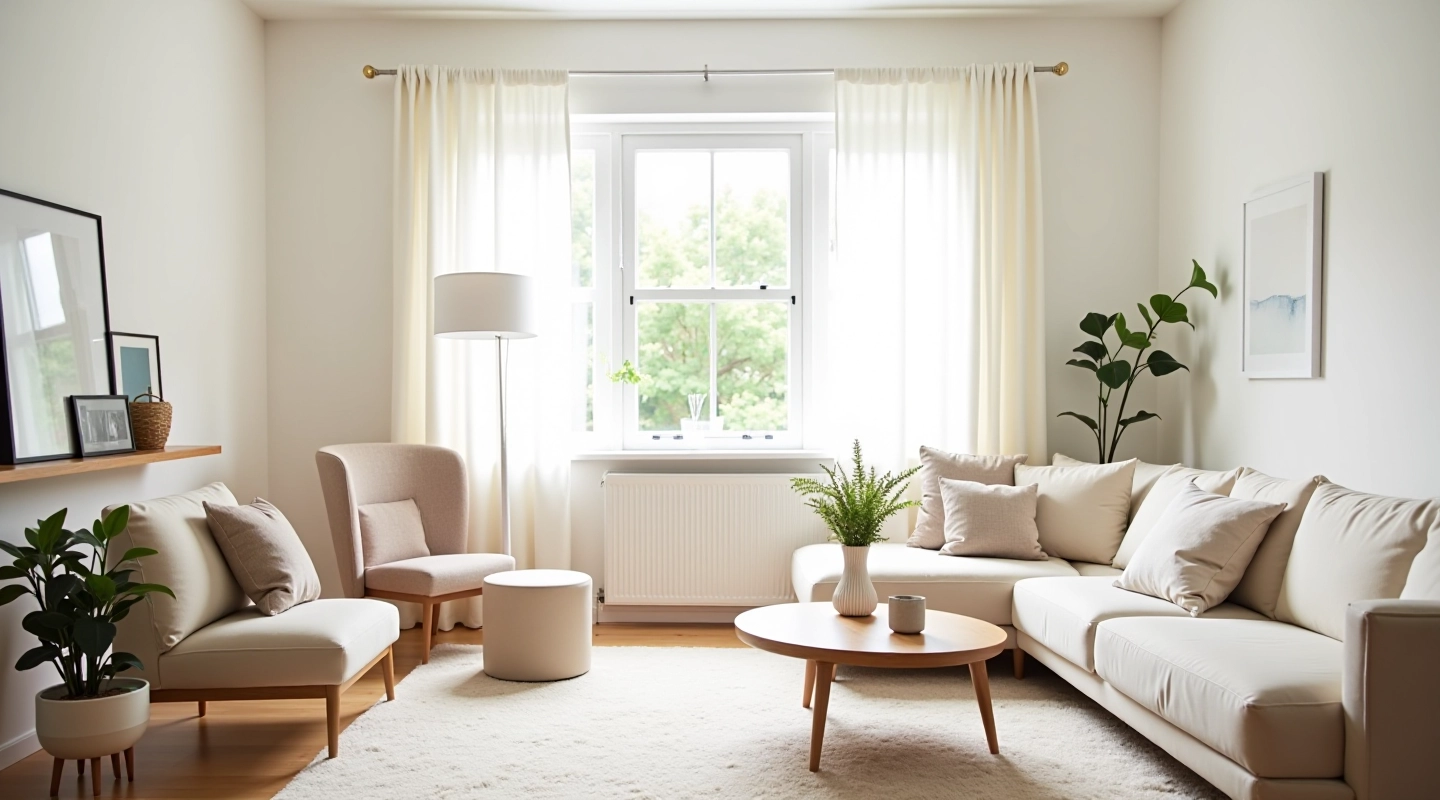
Why Minimalism Isn't About Deprivation
When people hear "minimalism," they picture empty rooms and people with five possessions. That's not what we're talking about here. Minimalism is actually about intentionality. It's about deciding what adds real value to your life and letting go of everything else. That shift—from "I should want this" to "Do I actually need this?"—changes how you spend money.
The practical benefit? You stop spending on things you don't use. You're not being restrictive or punishing yourself. You're being honest about what brings you satisfaction. Most people find they feel lighter, not deprived. There's less mental clutter when your physical space reflects what you actually care about.
The Money Connection
Here's where minimalism gets financial: every item you own represents money you've already spent. But there's a secondary cost most people don't think about—maintenance, storage, and mental energy. That expensive jacket sitting unworn in your closet? It's still costing you mentally every time you see it.
When you practice minimalism, you become more selective about future purchases too. You're not shopping out of boredom or habit. You're buying things with purpose. This naturally reduces spending. We've seen people cut their shopping by 40-60% just by pausing before purchases and asking themselves honestly: "Will I use this regularly?"
The real shift happens when you realize that experiences and time matter more than objects. A afternoon with friends costs nothing but creates memories. A walk in the park is free but improves your mood. Once that clicks, spending money on "stuff" feels less important.

The Three Areas Minimalism Affects
Your Time
Less stuff means less cleaning, organizing, and decision-making. You're not scrolling through closets or searching for items. That's real time freed up each week.
Your Mind
Visual clutter creates mental noise. When your space is intentional, you feel calmer. Stress decreases. Clarity increases. It sounds simple, but it's measurable in how you feel daily.
Your Wallet
Fewer purchases, lower maintenance costs, no wasted money on things that don't serve you. The money freed up can go toward what actually matters—savings, experiences, or financial security.
Minimalism isn't about having nothing. It's about having only what you love and use. Everything else is just weight.
— Editorial observations from thirty-day experiments

How to Start Without Feeling Overwhelmed
You don't have to throw away everything tomorrow. Start small. Pick one category—maybe your kitchen or your closet. Go through each item and ask: Do I use this? Does it bring me joy? Would I buy it again today? If the answer is no to all three, it goes.
Don't aim for an empty room. Aim for a room where everything has purpose. You'll probably keep 70-80% of what you own—and that's fine. The point isn't a specific number. It's intention.
This process usually takes weeks or months, not days. And it reveals patterns. You might notice you buy multiples of the same thing. Or you're keeping items "just in case." Or you're holding onto gifts you don't like. Once you see the pattern, future purchases change naturally.
The Practical Process
Audit One Category
Start with something manageable. Not your entire home. Pick your junk drawer, your books, or your shoes. See what you actually have.
Ask Hard Questions
For each item: "Do I use this?" "Do I love this?" "Would I replace it?" If you hesitate, you probably don't need it.
Decide on Items
Keep what stays. Donate, sell, or responsibly dispose of the rest. Don't let guilt keep items that don't serve you.
Organize What Remains
Give everything a home. When you can see what you have, you use it more and buy less to replace it.
The Money Shifts You'll Actually See
People who practice minimalism report real changes in their spending. First, they stop buying duplicates because they can see what they own. Second, they become slower, more intentional shoppers. Third—and this matters—they get better at saying no to things they don't actually want.
On a thirty-day no-spend challenge, minimalism becomes your best friend. You're not tempted by new things because you're already satisfied with what you have. You're not scrolling online looking for something to fill a void because your space already feels complete.
The financial benefit compounds over time. Lower spending this month. Even lower next month as habits stick. A year in, you're not just saving money—you're redirecting it toward things that genuinely improve your life. That's the real power of minimalism.

The Real Point
Minimalism isn't about being extreme or deprived. It's about being honest. Honest about what you need. Honest about what brings you joy. Honest about the gap between the life you want and the one you're actually living.
When you apply that honesty to your possessions, it naturally extends to your spending. You stop buying to fill time or emotion. You stop keeping things out of obligation. You stop spending money on stuff that doesn't align with your actual values.
That's where the real financial shift happens. Not from deprivation, but from clarity. Once you know what matters, spending money on everything else just feels wrong. And that's how minimalism becomes one of the most effective money-saving practices you can adopt.
About This Guide
This article is informational and reflects practical observations from thirty-day frugal living experiments. It's not financial advice. Individual results vary based on personal circumstances, spending habits, and lifestyle choices. Minimalism is a personal practice—what works for one person may not work for another. We encourage you to adapt these principles to fit your actual life, not to force yourself into a mold that doesn't serve you. If you're dealing with financial challenges or mental health concerns related to possessions, consider consulting appropriate professionals who can provide personalized guidance.