
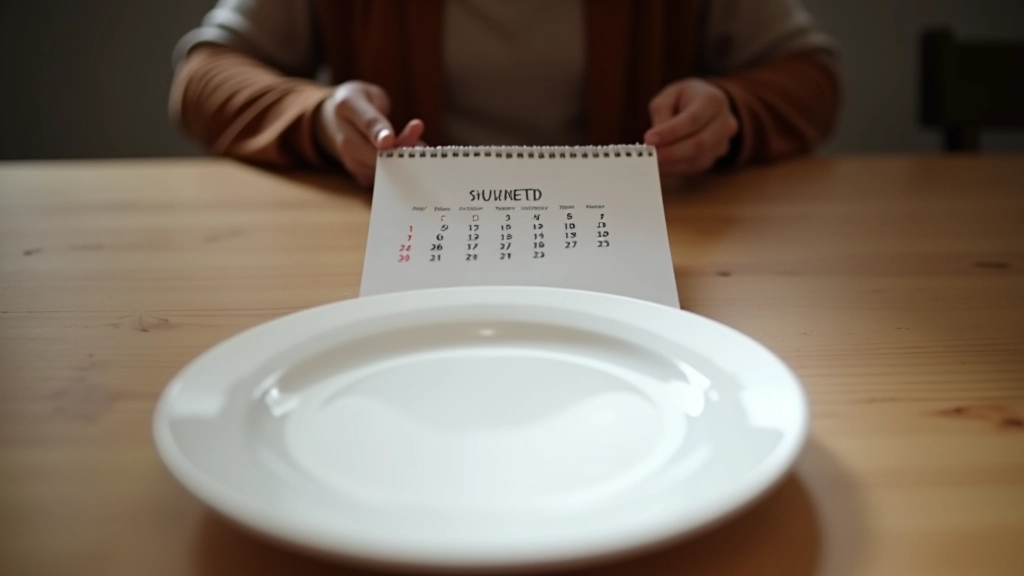
The No Spend Challenge: First 48 Hours
What to expect when you stop spending money cold. We cover the mental side, practical setup, and what actually happens in the first two days.
Food doesn't have to be boring when you're saving money. This guide walks through batch cooking, pantry staples that stretch, and meals that cost less than five dollars.

You've probably heard it before — meal planning saves money. But here's what actually matters: it's not about deprivation. It's about knowing exactly what you're making before you hit the grocery store, which means you're not buying things on impulse or letting food spoil in the fridge.
The biggest wins happen when you stop treating your kitchen like a restaurant and start treating it like a project. You'll find that five dollars can stretch further than you thought. Beans become a protein source instead of a side dish. Rice and pasta turn into the foundation of meals instead of just filler. And suddenly you're eating better food on less money — not sad, flavorless meals you're forcing yourself through.
The Real Benefit: You're not following some restrictive diet. You're just being intentional about what you buy and cook. Most people who stick with meal planning don't go back because they realize they've got more money AND less stress about dinner.

Chicken thighs cost half what chicken breasts do. Eggs are roughly thirty cents each. A pound of dried beans costs about a dollar and makes enough for six servings. Start here. Pick one or two proteins for the week and build everything around them. You're not creating variety through different proteins — you're creating it through different sauces, spices, and sides.
Pick a Sunday afternoon. Cook a double batch of rice. Roast two sheet pans of vegetables. Make a big pot of soup or stew. You're not cooking every meal at once — you're cooking the building blocks. Then throughout the week, you're mixing them. Rice and beans with salsa becomes a burrito bowl. The same rice with vegetables and soy sauce becomes fried rice. Same ingredients, completely different meals. This cuts your actual cooking time by two-thirds and your grocery costs by about forty percent.
Dried pasta, rice, beans, lentils, canned tomatoes, oats, flour, oil, salt, garlic powder, and onion powder. That's your foundation. When these are in your house, you can make a real meal from almost nothing. Buy these when they're on sale and don't rotate through them for months. They last forever and they're the difference between "I have nothing to eat" and "I can make dinner."
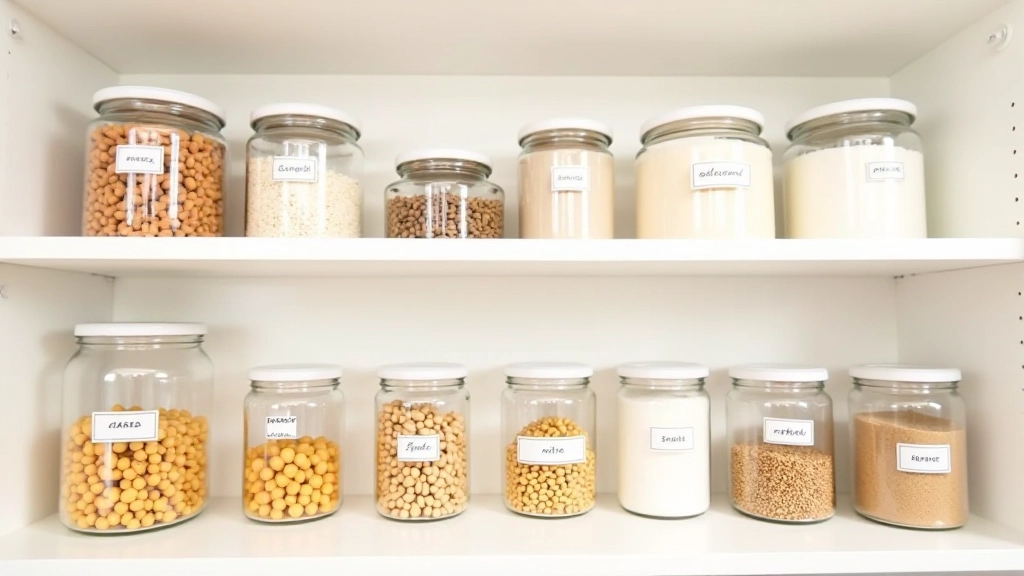

Don't overcomplicate this. You need about twenty minutes to plan a week of meals. Pick five dinners. They don't have to be complicated — rice and beans, pasta and sauce, stir-fry, soup, and one easy casserole is a solid week. Write down what you need for each meal. Check your pantry and fridge for what you already have. Then buy only what's missing.
The magic is in the repetition. You're probably eating the same ten meals on rotation anyway — you're just being strategic about it now. When you plan ahead, you're not tempted by expensive cuts of meat or those organic pre-cut vegetables. You know exactly what you need and you stick to the list.
One pound of chicken thighs (around two dollars), one onion (thirty cents), garlic (ten cents), a can of tomatoes (fifty cents), dried pasta (thirty cents), and olive oil and salt you already have. That's four dollars and feeds four people. Add a side salad with cabbage (cheap) and you're at five dollars total for a real dinner that doesn't taste like budget food.
The biggest one? Planning meals you don't actually like eating. You see a recipe for something fancy and assume it'll be good. Then you make it, realize you hate it, and it sits in your fridge until you throw it out. That's money wasted. Stick to meals you know you like. Repetition isn't boring — it's reliable.
Another mistake is buying "healthy" processed foods thinking they're cheaper. Pre-made salad kits, organic snack bars, plant-based meat alternatives — they're all more expensive than actual food. A head of lettuce costs a fraction of what a salad kit costs. Buy whole foods and do the minimal prep yourself.
And here's a tough one: not accounting for the fact that you'll get tired of cooking. If you plan seven complicated meals, you'll end up ordering takeout halfway through the week. Plan five good meals and leave two nights flexible for leftovers or simple things like scrambled eggs and toast. You're way more likely to stick with it.
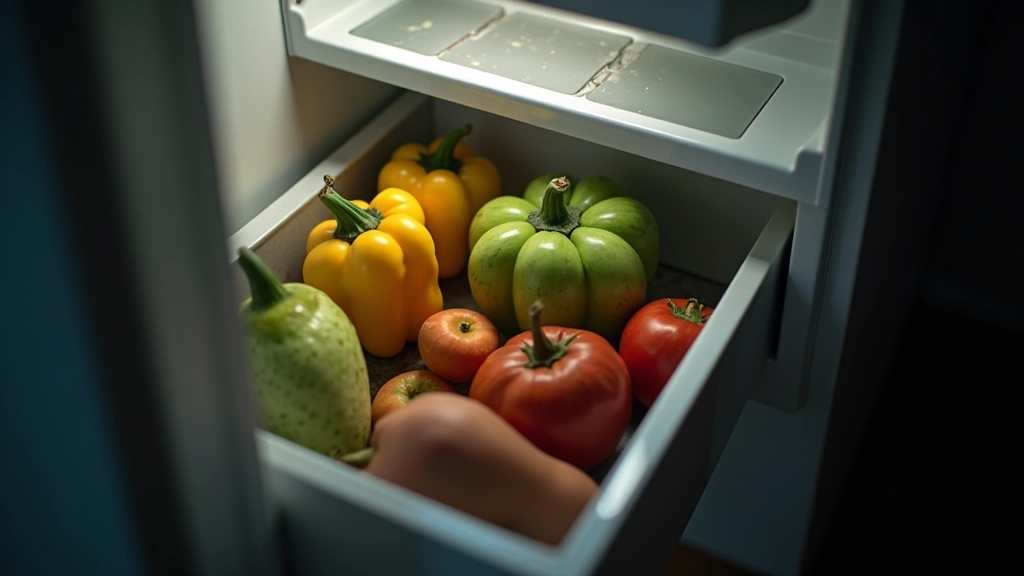
You don't need to overhaul everything at once. Pick one week. Plan five dinners. Make a list. Shop the list. Cook one batch-cooking session. That's it. You'll probably save thirty to forty percent on your food budget just by eliminating impulse purchases and waste. Then next week, you'll do it again — maybe a little faster because you know what works.
The thing about meal planning is that it gets easier. You build a rotation of meals you like. You know which ingredients give you the most value. You stop stressing about what's for dinner because you already decided three days ago. And suddenly you've got more money and less anxiety, which is honestly what this whole thing is about.
You're not depriving yourself. You're just being smart about it. And the food tastes better when you know you're making it work on your terms.
This article is for informational and educational purposes. Meal planning approaches vary based on individual dietary needs, allergies, preferences, and local food availability. Prices and product availability mentioned are based on general market conditions and may vary significantly by location and time. This guide is not nutritional or medical advice. If you have specific dietary concerns, allergies, or health conditions, consult with a healthcare provider or registered dietitian before making significant changes to your diet. The techniques and meal ideas shared are intended to help you explore budget-friendly cooking — results and savings will differ based on your circumstances, shopping habits, and local markets.
Editorial Team
Written by the Thrifty Reset editorial team, focused on practical, judgment-free guidance for frugal living and money reset experiments.
What to expect when you stop spending money cold. We cover the mental side, practical setup, and what actually happens in the first two days.

It's not about owning less — it's about keeping what matters. We explore how minimalism connects to your money and what actually changes.

The challenge ends but your new habits don't have to. This covers how to transition from the thirty-day reset into lasting change.